The Puppet Masters of the villa: How Editing Turns Two Strangers Into Your Next Obsession
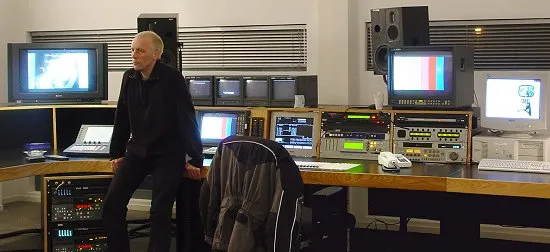
Photo: Yintan, CC BY-SA 1.0, via Wikimedia Commons
Somewhere in a post-production suite in Burbank, an editor just decided you're going to fall in love with a couple. Not the couple themselves — you, the viewer, sitting on your couch in Ohio with a bowl of popcorn and zero personal stakes. They made that call with a music cue, a well-timed cutaway, and about six seconds of footage you'll never question.
Welcome to the real love story of reality TV: the one between the edit and your emotions.
The Six-Second Rule of Fake Fate
Ask anyone who's worked in unscripted TV and they'll tell you the same thing: chemistry isn't filmed, it's assembled. Editors working on shows like Love Island USA, The Bachelor, and Netflix's ever-growing shelf of kiss-cam chaos operate on what insiders jokingly call the six-second rule — if you can't sell a connection in six seconds of screen time, you stitch together enough six-second moments until you can.
A lingering glance. A hand brushing a knee. A cut to the other contestant's face mid-sip, eyebrows raised. String those together over three episodes and your brain does the rest, connecting dots the way it connects movie trailer beats into a whole plot.
The Toolbox: How the Sausage (Ball) Gets Made
Let's pull back the curtain on the greatest hits of the chemistry-manufacturing playbook:
The reaction cut. Person A says something mildly funny. Person B laughs. What you don't see: Person B's laugh happened twenty minutes later, in an entirely different conversation. Editors grab reactions like a kid grabbing candy at a piñata — whatever's available, whenever it works.
The music swell. Nothing says "soulmates" like a soft piano arpeggio kicking in as two people share a sunset. Swap that track for a comedic tuba and suddenly the same moment reads as a joke. Same footage, opposite story.
Strategic seating. Producers aren't arranging couches for feng shui. If two people keep ending up "randomly" seated next to each other at every group dinner, that's not luck — that's a production assistant with a seating chart and a mandate.
The pre-kiss cutaway. Right before a first kiss, cut to the ocean, the fire pit, or someone else's shocked face. You never see the awkward lean-in hesitation, the whispered "is this okay?" The gap becomes fantasy. Your imagination fills it with fireworks; the raw footage probably contained a burp.
Pacing manipulation. Long, slow shots build tension. Quick cuts signal drama. When an editor wants you to believe a connection is intense, they simply let a moment breathe — three extra seconds of eye contact that, in real time, was probably two people trying to remember each other's names.
The Interview Test: What Editors Actually Admit
A veteran unscripted editor we spoke to (who asked to remain anonymous, for obvious contractual reasons) put it bluntly: "I've made couples out of people who never had a real conversation. I've also had to bury genuine love stories because they were, honestly, boring to watch. Chemistry on screen is a rhythm thing. If two people's soundbites cut together well, congratulations, you're in love."
That last part is the kicker — rhythm. Editors describe building couples the way a DJ builds a set: setup, tension, payoff. Episode three is tension. Episode six is payoff. If the couple fizzles in real life, the edit can still make the journey feel epic, which is often what fans actually rewatch for.
Your Manufactured Chemistry Spotter's Checklist
Want to watch like an insider? Keep this list handy during tonight's episode:
- Count the cutaways. If every meaningful moment between two people ends on a third party's reaction shot, someone's covering a seam.
- Listen for the soundtrack shift. Real chemistry doesn't need a string section. If the music is doing the emotional heavy lifting, be suspicious.
- Track the seating. Coincidence is one dinner. Five dinners in a row is a producer with a plan.
- Notice the missing minutes. A couple that goes from "hi" to "I'm falling for you" with no on-screen middle? The middle is where the boring truth lives.
- Watch the confessionals. If interview soundbites are doing all the romantic narrating while the actual footage shows two people discussing breakfast, the edit is writing fan fiction.
- Feel the six seconds. When a moment lingers just a beat too long, ask: was this magic, or was this a timeline stretch?
Does It Matter?
Here's the twist: none of this makes reality TV bad. The edit is the genre's magic trick — we all agree to the illusion. Some of these couples genuinely do work out, and no amount of music swells can fake a five-year marriage.
But watching with one eye on the puppet strings? That's its own kind of fun. It turns passive viewing into a game, and honestly, it makes the rare real connection — the one that survives the cutting room and the breakup rumors — hit so much harder.
So tonight, when the piano swells and two strangers lock eyes across a fire pit, go ahead and feel something. Just remember: six seconds ago, an editor decided you would.